“turn brown” search results (1000)
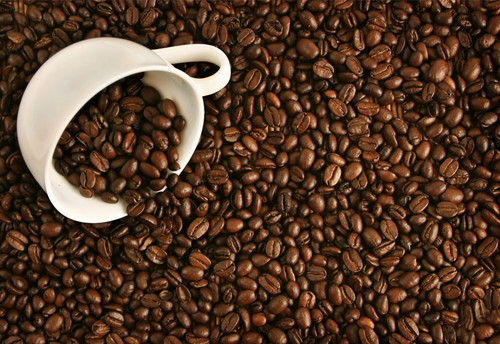
Coffee roasting degree classification Coffee beans roasting basic knowledge
New England baking: light brown, bean flour dry. American Roast: Medium brown, bean flour dry. Viennese: Medium dark brown with a few drops of coffee fat on the beans. French Roast: Moderately dark brown bean flour with a thin coffee fat. Espresso Roasting: Dark brown, due to baking process
2015-02-26 coffee roasting degree classification coffee beans basics common sense new england
Classification of coffee roasting degree coffee bean roasting knowledge
New England baking (New England): light brown, dried bean noodles. American baking (American): medium brown, dried bean noodles. Viennese roasting (Viennese): medium dark brown with scattered drops of coffee oil on the bean noodles. French roasting (French): moderate dark brown bean noodles with a thin layer of coffee oil. Espresso baking: dark brown, due to baking process
2015-02-11 Coffee roasting degree classification coffee beans knowledge New England New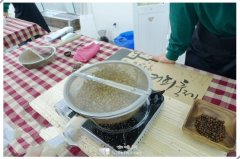
About coffee roasting
Coffee roasting (coffee roasting) means that through heating raw beans, starch in raw beans is converted into sugars and acids at high temperature, substances such as cellulose will be carbonized to varying degrees, water and carbon dioxide will be volatilized, proteins will be converted into enzymes and fats, and the remaining substances will be combined to form an oil film on the surface of coffee beans, and in the process coffee acids will be formed.
2014-08-13 Coffee roasting coffee knowledge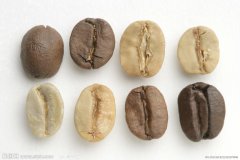
Changes of raw beans during baking
Many people think that coffee beans are born dark brown. In fact, raw coffee beans are green or cyan, because they still contain a certain amount of water. According to the observation of the color of raw beans, the green ones are generally new beans, and the yellowish or whiten ones are old beans. After the coffee fruit is processed and screened, it will be graded into sacks. And then mostly by ship, scattered to all parts of the world.
2016-06-02 Raw beans roasting process changes many people think that coffee beans are born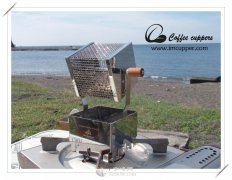
Coffee bean roasting technology household roaster
Coffee roasting (coffee roasting) means that through heating raw beans, starch in raw beans is converted into sugars and acids at high temperature, substances such as cellulose will be carbonized to varying degrees, water and carbon dioxide will be volatilized, proteins will be converted into enzymes and fats, and the remaining substances will be combined to form an oil film on the surface of coffee beans, and in the process coffee acids will be formed.
2015-01-08 Coffee beans roasting technology household roaster coffee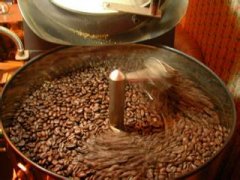
Coffee roasting degree classification traditional American defined roasting pattern name
New England baking (New England): light brown, dried bean noodles. American baking (American): medium brown, dried bean noodles. Viennese roasting (Viennese): medium dark brown with scattered drops of coffee oil on the bean noodles. French roasting (French): moderate dark brown bean noodles with a thin layer of coffee oil. Espresso baking: dark brown, due to baking process
2015-09-14 Coffee roasting degree classification tradition USA definition pattern name new English
Coffee roasting knowledge six steps of manual frying coffee beans
1. Put the raw coffee beans into a filter and close the lid. two。 Repeatedly turn the circle to wobble and evaporate the water in the beans. 3. After 5-6 minutes of baking, the beans turn light brown. 4. After the first burst, the darker the color. 5. Pan-fry and pour into the plate. 6. Quickly fan the coffee beans with a fan. Note: strainer with handle can be bought in hardware store or coffee shop.
2015-03-11 Coffee roasting knowledge handicraft fried culture coffee beans 6 steps put
Basic knowledge of boutique coffee classification of roasting degree of coffee
New England baking (New England): light brown, dried bean noodles. American baking (American): medium brown, dried bean noodles. Viennese roasting (Viennese): medium dark brown with scattered drops of coffee oil on the bean noodles. French roasting (French): moderate dark brown bean noodles with a thin layer of coffee oil. Espresso baking: dark brown, due to baking process
2014-12-09 Boutique Coffee Basics Common sense Baking degree Classification New England N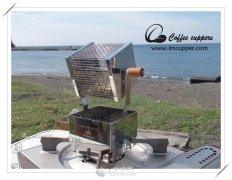
Roasting skills of coffee beans at home
Coffee roasting (coffee roasting) means that through heating raw beans, starch in raw beans is converted into sugars and acids at high temperature, substances such as cellulose will be carbonized to varying degrees, water and carbon dioxide will be volatilized, proteins will be converted into enzymes and fats, and the remaining substances will be combined to form an oil film on the surface of coffee beans, and in the process coffee acids will be formed.
2015-02-03 Coffee beans at home roasting skills household roaster coffee coff
Coffee roasting: dehydration, climbing, temperature, smoke extraction and taxiing skills
Recently, many brown friends will ask us privately some questions about baking skills, including: when is dehydration? How many degrees does it take to climb? Smoke exhaust problem? What is the taxiing action? I would like to give you a little experience. Hand net hot fan electric heater gas semi-direct fire gas direct fire here is only a brief introduction, please refer to coffee roasting and other related books for details
2015-09-15 Coffee roasting dehydration climbing smoke exhaust taxiing techniques recently quite a few brown friends
Coffee roasting coffee bean baking door
A series of chemical changes occur during the baking process. After about 5-25 minutes of baking (depending on the temperature selected), the green coffee beans lose some humidity and turn yellow. In this process, the coffee beans will swell, changing from a strong, high-density raw bean to a low-density fluffy state. After this process, the size of the coffee beans will about double, starting
2016-06-04 Coffee roast coffee beans throttle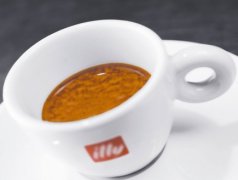
A glass of technical pie Espresso
Espresso cooked at the ideal temperature is very dark reddish-brown, the foam on the surface will have dark brown spots (Italians call it "el tigre"), and the foam thickness should be more than 4 mm
2014-05-16 Espresso Technology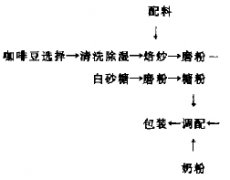
Development of Fine Coffee with Common sense Flavor
Caffeine varieties, origin, with different aroma and coffee ingredients, need to be reasonably prepared. Only in this way can the aroma components and the nutritional components of coffee complement each other, and the coffee powder can have a beautiful flavor. Due to the lack of coffee raw materials in our country. Coffee drinks are expensive, coffee is only used as high-end drinks, and the consumer market is very wide.
2014-11-17 Coffee knowledge coffee common sense coffee flavor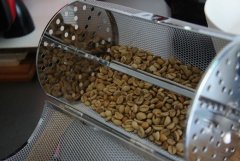
Understand the roasting of coffee beans
The color, aroma and taste of coffee depend on how you bake it. Roasting is the most important stop in every coffee bean's long journey. After roasting, green coffee beans become ripe coffee beans (roasted beans) that produce a unique flavor. The longer the roasting time, the darker the coffee color, and the taste will vary with the baking time. Americans like to roast coffee beans.
2014-07-25 Coffee beans roasted coffee beans
Light Roast Coffee Bitter Green Coffee Supplier Cafe Italian Blending
Green beans change color continuously during baking, depending on the amount of brown pigment and the size of the molecule. Brown pigments can be classified according to molecular size. Light baking mostly produces small molecular pigments. As the baking degree deepens, the total amount of pigments increases, and the proportion of large molecular pigments increases. Lightly roasted coffee beans mostly contain yellow
2016-07-11 light roast coffee beans coffee bitterness green beans supplier cafe Italian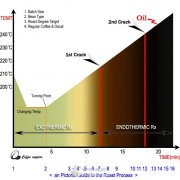
Coffee roasting process
Coffee roasting (coffee roasting) refers to the heating of raw beans to convert starch in raw beans into sugars and acids at high temperature, cellulose and other substances will be carbonized to varying degrees, water and carbon dioxide will be volatilized, proteins will be converted into enzymes and fats, and the remaining substances will be combined to form an oil film on the surface of coffee beans, and in the process coffee acids will be formed.
2014-06-04 Coffee knowledge coffee roasting coffee encyclopedia
Roasting process of boutique coffee beans and matters needing attention
Among the many factors affecting the taste and flavor of coffee, roasting is the most important link. And baking itself is both a science and an art. During the roasting process of 8-20 minutes, raw coffee beans (Green coffee been) produce a series of complex changes: from the appearance, the coffee beans gradually change from light green to light yellow, light brown, brown, dark brown, such as
2014-12-26 Boutique coffee coffee beans roasting process matters needing attention influence feeling and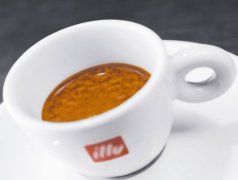
Espresso of the technical school
In the final analysis, coffee is a kind of agricultural product, and drinking coffee must start with raw coffee beans. The Espresso boiled at the ideal water temperature is dark reddish brown with dark brown spots on the surface (the Italians call it el tigre) and the foam thickness should be more than 4mm * mix * generally speaking, large coffee beans can produce better coffee.
2014-09-30 Espresso making espresso Coffee making Coffee Encyclopedia
Introduction to the roasting degree of coffee
A series of chemical changes occur during the baking process. After about 5-25 minutes of baking (depending on the temperature selected), the green coffee beans lose some humidity and turn yellow. In this process, the coffee beans will swell, changing from a strong, high-density raw bean to a low-density fluffy state. After this process, the size of the coffee beans will about double, starting
2016-06-13 Coffee roasting degree introduction
Classification of roasting degree of coffee
The roasting of coffee beans directly determines the aroma of coffee beans. If the coffee is not roasted well, even if the raw coffee beans are very good, you can't get good ripe coffee beans; as a result, you can't make good coffee. Only with good coffee raw beans, after proper roasting, is it possible to process good coffee ripe beans, and to provide a good front for making good coffee.
2014-06-19 Coffee knowledge coffee roasting coffee encyclopedia